Technique · 2 min read
How new tattoo artists practise before touching skin
Drawing every day, pulling lines on practice skin, learning flash and earning trust as an apprentice: the long, quiet work behind a steady hand.
M.D Cost, Copywriter, DyeDem ·
Every tattooer you admire once pulled a shaky line. The difference between that first line and the confident work in their portfolio is years of practice, most of it done far from a client's skin. If you are thinking about becoming an artist, or just curious about the craft, here is what that practice looks like.
It starts on paper
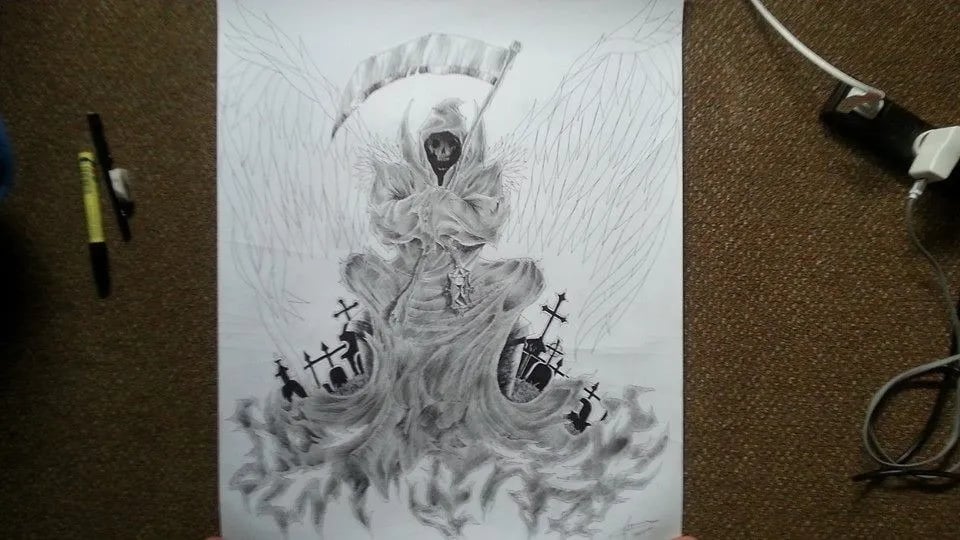
Strong tattooing grows out of strong drawing. Artists draw constantly: flash, lettering, animals, flowers, faces, and the same subjects again and again until they can draw them without thinking. They learn how a design reads from across a room, how bold the outline must be to hold for decades, and how much empty skin a piece needs to breathe.
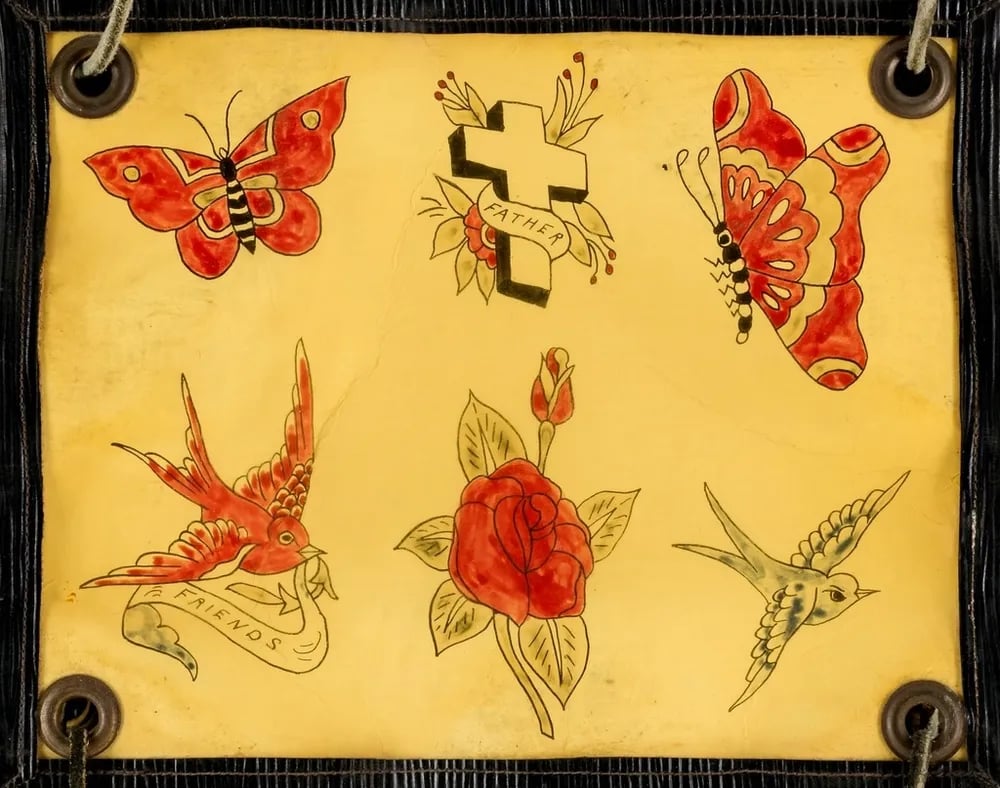
- Copy classic flash to learn proportion and line weight.
- Practise lettering alphabets until every curve is even.
- Redraw designs at tattoo size; small detail tells you what will and won't hold.
- Draw on curved objects to understand how designs wrap around a body.
Apprenticeship
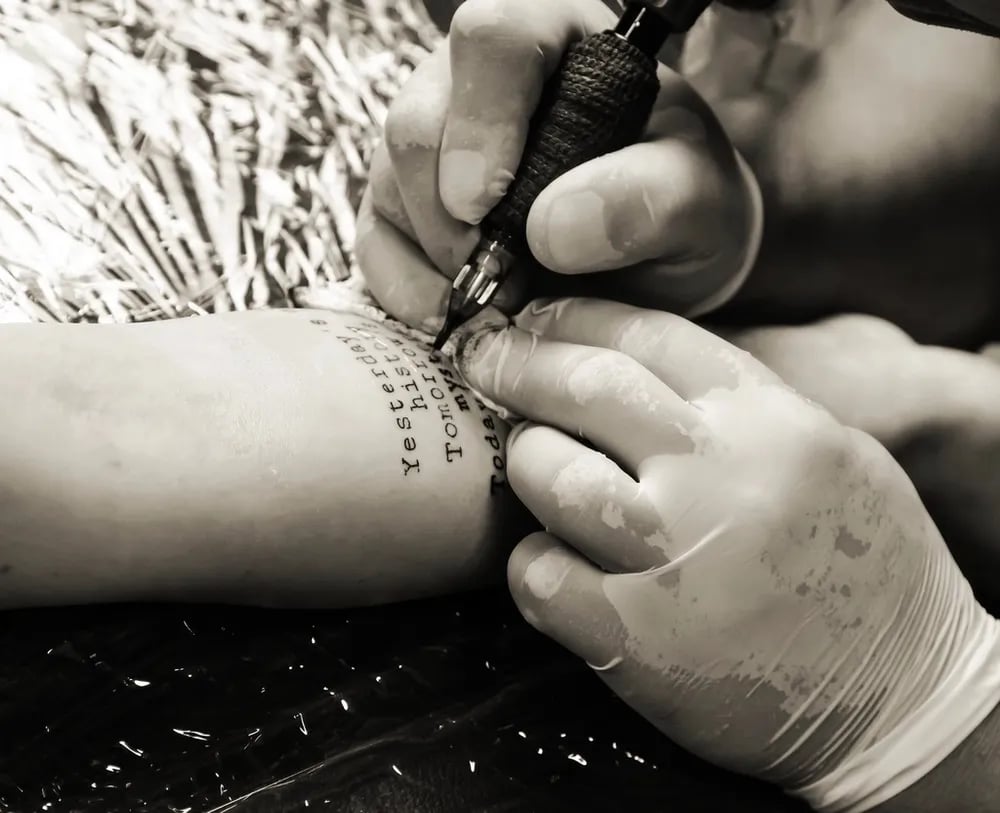
Most professional tattooers learn through an apprenticeship with an experienced artist in a working studio. It is less glamorous than it sounds. Apprentices clean, set up and break down stations, prepare stencils, learn infection control and watch hundreds of hours of tattooing before they are trusted with a machine. That slow start is the point: hygiene and judgement come before technique.
Practice skin and fruit
Synthetic practice skins let new artists learn needle depth, hand speed and machine angle without hurting anyone. They are not perfect copies of human skin, so teachers treat them as a place to build muscle memory rather than a test of readiness. Some artists also practise on fruit with firm peel, such as oranges, grapefruit and bananas, to get used to tattooing a curved, slightly giving surface.
Drills that build a steady hand
- Straight lines in one confident pass, in every direction.
- Circles and curves of different sizes, without stopping halfway.
- Even whip shading and smooth gradients from black to soft grey.
- Solid colour or black packing with no patchy spots.
- The same small flash design repeated until each copy matches the last.
The first tattoos
When a mentor decides they are ready, apprentices usually start small: simple designs on themselves, on friends who know what they are signing up for, or free and discounted flash under close supervision. Each piece is checked again once it has healed, because healed work is the only honest report card.
Speed comes last. First the line has to be clean, then it has to be consistent, and only then does it have to be quick.
Practice never really stops
Experienced tattooers keep drawing, keep taking on new styles and keep learning from each other at guest spots and conventions. If you are starting out, find a mentor you respect, draw every day and be patient with yourself. The steady hand comes, one line at a time.