Basics · 2 min read
Does it hurt? A guide to pain and placement
Why some spots sting and others barely register, which placements are kindest for a first tattoo, and a few honest ways to make a long session easier.
M.D Cost, Copywriter, DyeDem ·
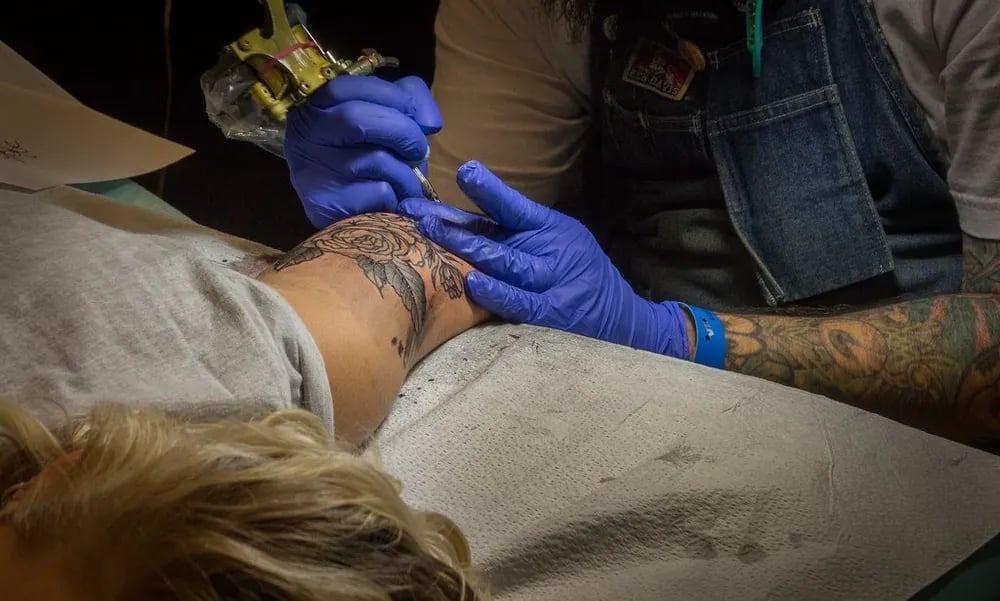
Yes, it hurts. But most people are surprised by how manageable it is. The feeling is often described as a hot scratch, a cat's claw dragged slowly across the skin, or a strong vibration. How much it hurts depends far more on where the tattoo goes than on how big it is.
Why placement matters
Three things decide how much a spot will hurt: how thick the skin is, how much padding sits underneath, and how many nerve endings are nearby. Fleshy, muscular areas cushion the needle. Thin skin stretched over bone, or areas packed with nerves, send every pass straight to your brain.
Gentler spots
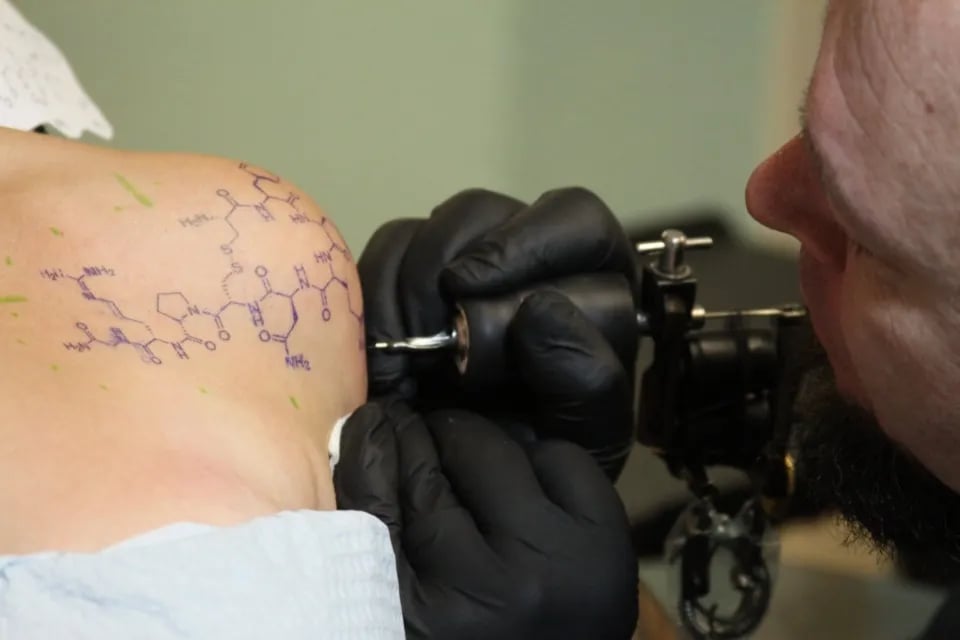
- Outer upper arm and shoulder
- Outer forearm
- Outer thigh
- Calf
- Upper and outer back
These are popular first tattoo placements for good reason: they hurt less, heal easily and are simple to cover when you need to.
Spicier spots
- Ribs and sides, where the skin is thin and each breath moves the area
- Spine, sternum and collarbones, right over bone
- Hands, fingers, feet and ankles, which also tend to fade faster
- Inner arm, armpit and the back of the knee, which are full of nerves
- Head, face and neck
None of these are off limits. They just ask for a bit more grit, shorter sittings and a chat with your artist about how the area wears over time.
Other things that change how it feels
Shading and colour packing go over the same skin many times and can feel rawer than linework. Long sessions get harder after the first few hours, as the area becomes tender. Being tired, hungry, hungover or stressed lowers your tolerance noticeably.
Making it easier
- Sleep well and eat a real meal an hour or two before.
- Skip alcohol and extra caffeine; both can make you jumpy and bleed more.
- Breathe slowly and steadily, especially out, rather than holding your breath.
- Ask for short breaks. Stand, stretch, drink water, have a snack.
- Bring headphones, a podcast or a friend to talk to, if the studio allows it.
- Ask your artist before using any numbing cream; some products affect how skin takes ink.
Pain is the part people worry about most and remember least. What stays is the tattoo.